
The rapid advancement of Artificial Intelligence, the Internet of Things (IoT), Cloud Computing, and Big Data has led to the emergence of one of the most innovative technologies of the modern era: Digital Twins.
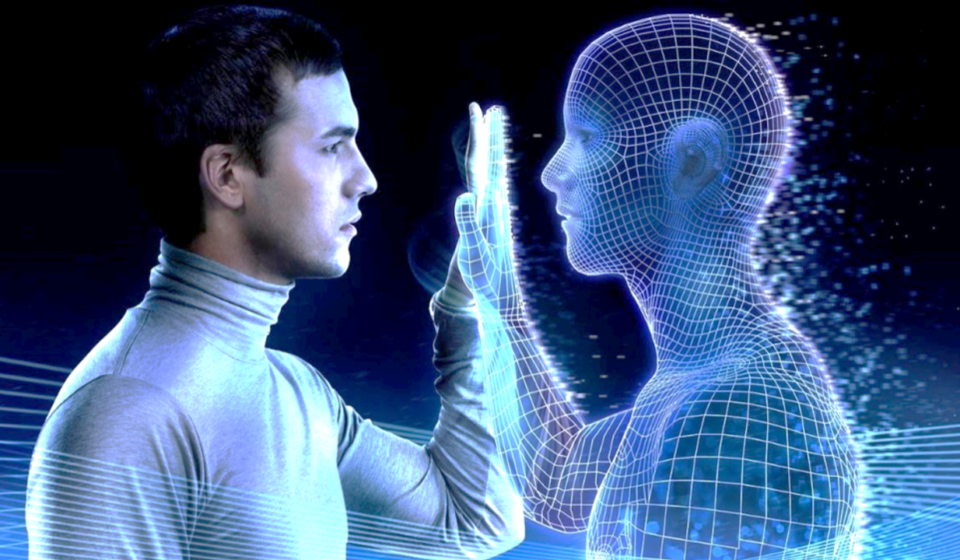
A Digital Twin is a virtual representation of a physical object, system, process, or environment that continuously receives real-world data and mirrors its real-time behavior. This technology enables organizations to monitor, analyze, predict, and optimize the performance of physical assets without directly interacting with them.
Digital Twins are transforming industries such as manufacturing, healthcare, aerospace, transportation, construction, energy, and smart cities. By creating a digital version of real-world systems, businesses can reduce costs, improve efficiency, prevent failures, and make smarter decisions.
Many experts consider Digital Twins a cornerstone technology for the future of Industry 4.0 and smart automation.
What is a Digital Twin?
A Digital Twin is a virtual model of a physical object, machine, system, process, or environment.
The digital model receives real-time data from sensors and connected devices, allowing it to simulate the behavior and condition of its physical counterpart.
Simple Definition
A Digital Twin is a real-time virtual copy of a physical object or system.
How Digital Twins Work
Digital Twins rely on a combination of technologies.
Step 1: Physical Object
A real-world asset exists.
Examples:
- Aircraft engine
- Factory machine
- Vehicle
- Building
- Human organ
Step 2: Sensors Collect Data
Sensors continuously gather information such as:
- Temperature
- Pressure
- Speed
- Energy consumption
- Movement
- Performance metrics
Step 3: Data Transmission
The collected data is sent through:
- IoT networks
- Cloud platforms
- Edge Computing systems
Step 4: Virtual Representation
The Digital Twin updates itself using real-time information.
Step 5: Analysis and Simulation
Organizations analyze the virtual model to:
- Predict failures
- Improve performance
- Test changes safely
- Optimize operations
Key Technologies Behind Digital Twins
Digital Twins are powered by several advanced technologies.
Internet of Things (IoT)
IoT devices provide real-time data from physical assets.
Artificial Intelligence
AI analyzes patterns and predicts future outcomes.
Cloud Computing
Cloud platforms store and process large volumes of data.
Big Data Analytics
Massive datasets are analyzed for insights and optimization.
Edge Computing
Processes critical data closer to the source for faster decisions.
3D Modeling and Simulation
Creates realistic digital representations of physical objects.
Types of Digital Twins
Product Digital Twins
Represent individual products throughout their lifecycle.
Examples:
- Smartphones
- Aircraft engines
- Medical devices
Process Digital Twins
Model workflows and operational processes.
Examples:
- Manufacturing lines
- Supply chains
- Business operations
System Digital Twins
Represent entire interconnected systems.
Examples:
- Transportation networks
- Power grids
- Smart city infrastructure
Human Digital Twins
Virtual models of human organs or body systems.
Applications include:
- Medical research
- Personalized healthcare
- Surgical planning
Applications of Digital Twins
Manufacturing
Factories use Digital Twins to:
- Monitor equipment
- Predict maintenance needs
- Optimize production
- Reduce downtime
Benefits include increased productivity and lower costs.
Healthcare
Healthcare organizations use Digital Twins for:
- Personalized treatment planning
- Organ simulations
- Disease prediction
- Surgical preparation
This can improve patient outcomes and reduce medical risks.
Aerospace
Aircraft manufacturers use Digital Twins to monitor:
- Engines
- Aircraft systems
- Structural health
This improves safety and operational efficiency.
Smart Cities
Cities use Digital Twins to manage:
- Traffic systems
- Utilities
- Public transportation
- Environmental monitoring
Benefits include better urban planning and resource management.
Energy Sector
Energy companies use Digital Twins to monitor:
- Wind turbines
- Power plants
- Solar farms
- Electrical grids
This improves efficiency and reliability.
Automotive Industry
Vehicle manufacturers use Digital Twins for:
- Product design
- Performance testing
- Predictive maintenance
- Autonomous vehicle development
Benefits of Digital Twins
Improved Decision-Making
Organizations gain valuable insights from real-time data.
Predictive Maintenance
Potential failures can be identified before they occur.
Cost Reduction
Preventing equipment breakdowns saves significant resources.
Increased Efficiency
Operations can be continuously optimized.
Enhanced Product Development
Products can be tested virtually before manufacturing.
Risk Reduction
Changes can be simulated without affecting real-world systems.
Digital Twins and Artificial Intelligence
Artificial Intelligence enhances Digital Twins by enabling:
- Predictive analytics
- Automated decision-making
- Pattern recognition
- Failure forecasting
- Performance optimization
The combination of AI and Digital Twins creates highly intelligent systems capable of continuous improvement.
Digital Twins vs Traditional Simulations
| Feature | Traditional Simulation | Digital Twin |
|---|---|---|
| Real-Time Data | No | Yes |
| Continuous Updates | No | Yes |
| Predictive Capabilities | Limited | Advanced |
| Live Monitoring | No | Yes |
| Dynamic Behavior | Limited | Extensive |
| Operational Insights | Basic | Advanced |
Digital Twins provide a much more realistic and continuously updated view of real-world systems.
Challenges of Digital Twins
Despite their advantages, Digital Twins face several challenges.
High Initial Costs
Developing Digital Twin systems requires significant investment.
Data Security
Large volumes of connected data create cybersecurity concerns.
Complex Integration
Combining multiple technologies can be difficult.
Data Quality Requirements
Accurate simulations require reliable and high-quality data.
Scalability Issues
Managing Digital Twins for large systems can be complex.
Future Trends in Digital Twins
The future of Digital Twins is expected to include:
AI-Powered Autonomous Twins
Systems capable of making decisions independently.
Smart City Expansion
Digital replicas of entire cities for planning and management.
Healthcare Personalization
Digital Twins of patients for individualized treatment.
Industrial Automation
Fully connected smart factories using Digital Twins.
Metaverse Integration
Digital Twins may become key components of virtual environments and digital worlds.
Career Opportunities in Digital Twins
As adoption increases, demand for skilled professionals continues to grow.
Popular careers include:
- Digital Twin Engineer
- IoT Engineer
- Data Scientist
- AI Engineer
- Systems Architect
- Cloud Engineer
- Simulation Specialist
- Industrial Automation Engineer
These roles combine expertise in software, hardware, AI, and data analytics.
The Future of Digital Twins
Experts predict that Digital Twins will become standard across many industries. As sensor technology, AI, cloud computing, and connectivity continue to improve, Digital Twins will become more accurate, affordable, and powerful.
In the coming decades, businesses may operate entire factories, transportation systems, and cities through advanced digital replicas that provide real-time insights and predictive intelligence.
Conclusion
Digital Twins represent a major breakthrough in modern technology by bridging the gap between the physical and digital worlds. Through real-time monitoring, simulation, and predictive analysis, they enable organizations to improve efficiency, reduce costs, enhance safety, and accelerate innovation.
From healthcare and manufacturing to smart cities and aerospace, Digital Twins are reshaping industries and creating new opportunities for growth. As technology continues to evolve, Digital Twins are expected to become one of the most influential innovations of the digital age.